
About Tea
TEA IS THE MOST CONSUMED BEVERAGE IN THE WORLD AFTER WATER.
Before going into details, it is important to remind everyone of this amazing fact: ALL teas originate from the one and only plant, the mighty ‘Camellia Sinensis’. The difference between each type of tea actually comes from the way they are processed after being plucked but they are all made from the same plant.
DIFFERENT TYPES OF TEAS
Teas differ in the way they are processed in the factory after the leaves have been plucked from the plant by our amazing tea pluckers.
(tap to read the descriptions)
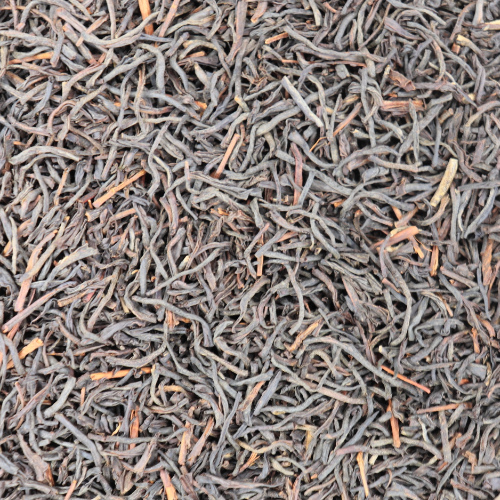
Black Tea
Black Tea
The most consumed type of tea in the western world, black tea derives its particularity from the significant oxidation process it goes through. That’s when the tea leaves turn dark and the tea acquires its distinct taste. The quality of a black tea is usually determined by its ‘grade’, ranging from very low quality dust and fannings often used in tea bags, with Orange Pekoe as the benchmark consisting of whole unbroken leaves, to the highest grade, Super Fine Tippy Golden Flowery Orange Pekoe Grade 1 (SFTGFOP-1).
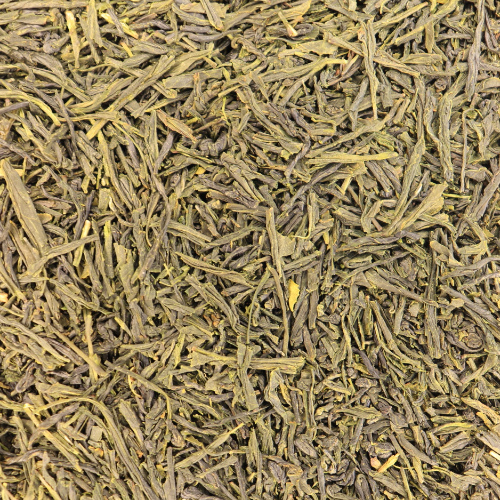
Green Tea
Green Tea
The oldest type of tea and the most popular in the Eastern World, Green Tea has the most diverse range within its category. The different sorts of green tea depend on the cultivar used, the soil and the climate in which the plant has grown. But most importantly the withering process it has undergone: steaming (Sencha and Gyokuro) , baking (Scented green teas) , pan frying (Longjing or Hojicha) or the original sun drying method. This withering process is what will determine the type of green tea produced. The quality of a green will usually depend on its provenance
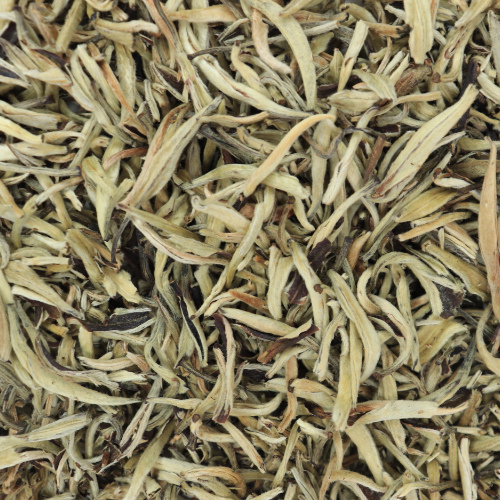
White Tea
White Tea
Considered by many the healthiest type of tea due to its high content of antioxidants, it is the newest type of tea dating back only a few hundred years. White tea gets its name from the silvery hair that grows on the unopened buds of the tea leaf rather than the light liquor it creates. For new comers to the Tea World, white tea is the most popular option as it creates a particularly delicate and mellow beverage and the different varieties of white teas are easily understandable being less in number than other types of teas.
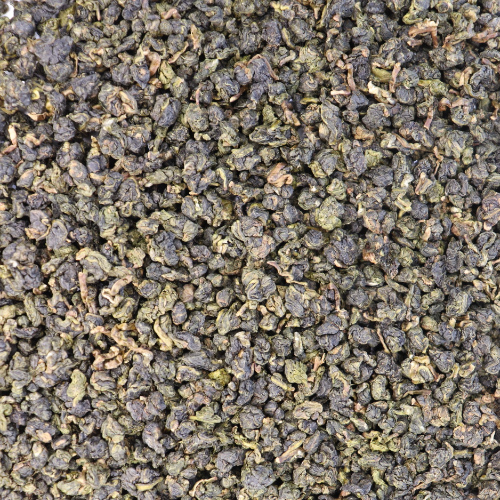
Oolong Tea
Oolong Tea
The complex production process of oolong teas is what determines their unique taste. Considered partially-oxidised tea, in between black and green teas, the level of oxidation varies greatly between different types of oolong as the withering process can go from 1 to 4 hours. Many oolongs are roasted over charcoal to produce their distinct taste and provide a longer shelf life. Most Taiwanese Oolongs are rolled into balls to keep the tea fresh and prevent the leaves from crumbling. These tightly rolled oolongs may require a wake-up steep and have a light first brew. The oolongs with open leaves however will from their first steep release a strong flavour.
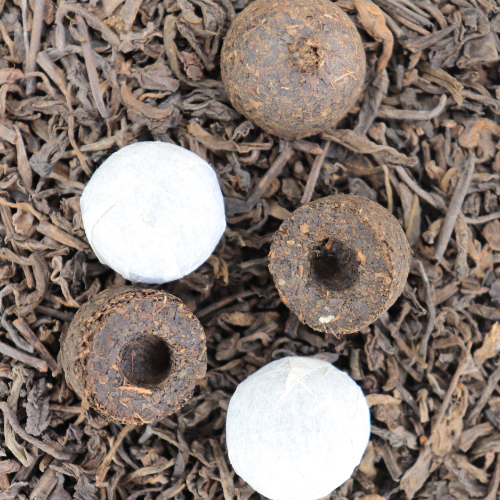
Puerh Tea
Puerh Tea
One of the oldest and most processed type of tea, Pu’erh tea undergoes a fermentation. It originates from the trade caravans making a long journey to sell their products through desert and mountains with no access to plants and using tea as an essential source of vitamins and minerals. The tea was then constantly exposed to water and heat, activating the yeast and fungus naturally present of the tea leaves and started a fermentation process changing the taste of the tea. After this, tea producers replicated these conditions, similar to a controlled composting, and started producing Pu’erh Tea. Pu’erh teas are traditionally shaped into ‘tea cakes’ but is also found as open leaves.
Yellow Tea
White Tea
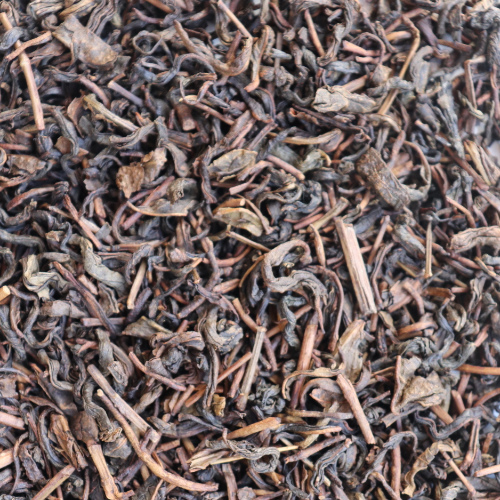
No consensus has been reached so far as to whether this should even be a type of tea. Undeniably the smallest category of teas, Yellow teas go through a series of heaping stages that allows a non-enzymatic oxidation process as opposed to all other types of tea and is what creates their yellow appearances and floral taste. Nearly all yellow teas then go through the pan-frying method associated with green teas. Extremely rare compared to all other teas, it is a type of tea that is rather hard to find.
Note that Herbals are different than tea : It is one or a combination of any other plants than Camellia Sinensis.
Different parts of the plants may be used to make herbal teas: roots, leaves or flowers.
Terroir and Savoir-Faire
One may talk about tea the way we talk about wine and terroir has a great role to play in the way tea tastes. The distinct taste of a tea comes from each region’s unique geology, geography and climate. So even if all the teas come from the same plant and have a similar process, where it was grown and the way it was process will create distinct teas unique to their own region and savoir-faire of the plantation’s tea masters.
Storing Tea
The way you store tea is more important than you may think! The main rule is to avoid these four things: direct sunlight, heat, humidity and strong odours nearby. Exposure to any of these will degrade the quality of the tea quickly and change its taste. Think of tea as ‘sponges’.
The best way to store your tea is in an airtight container made of glass or stainless teas.
Ceramic containers may be fine for the tea you drink the most as it might not have time to alter the taste but try not to use painted containers as it may alter the taste of the tea overtime.
Different teas must be stored in different containers or they will all start to taste and smell the same after some time! Refrain from storing your tea in the fridge. in a spice drawer or in pantries with strong smelling products.
WHAT ABOUT CAFFEINE CONTENT ?
Teas
Caffeine is a chemical naturally present in the tea plant, serving as a natural insecticide for the plant as it kills the pests that ingests it and it strengthens the memory of the pollinating bugs so that they return each year to alienate the flowers. Caffeine is not diminished nor increased during the production process, it is simply that caffeine levels are higher in older longer leaves. That’s why white teas made of unopened buds have lower caffeine levels than black teas made from older and larger leaves. Caffeine levels also differ depending on the variety of the tea plant used, with the var. assamica usually higher in caffeine than var. sinensis. The caffeine content is however relatively low compared to coffee, with the level of caffeine contained in one espresso equalling approximately to 8 cups of black tea.
Herbals
Although people associate all herbal teas with being caffeine-free, this may differ from plant to plant. Yerba Mate for example, naturally contains a lot of caffeine. However, it is generally true that most plants have very low to no caffeine. Most of our herbal teas thus have very minimal caffeine levels and are absolutely fine to drink as a caffeine-free alternative beverage.